Restore the Health and Appearance of Your Eyes with Oculoplastic Surgery
With advanced surgical techniques, our experienced surgeons address various eyelid and orbital conditions to restore both the function and aesthetics of your eyes.
Oculoplastic surgery addresses a range of conditions affecting the eyelids, tear ducts, and the surrounding areas of the eye. These procedures are performed to correct functional issues, such as drooping eyelids or blocked tear ducts, as well as to enhance the appearance of the eyes.
By using advanced surgical techniques, our surgeons aim to restore both the functionality and aesthetics of the eyes, helping patients achieve improved comfort and a refreshed appearance.
When to consider oculoplastic surgery?
You may need oculoplastic surgery if you experience:
Drooping eyelids obstructing vision
Eyelid tumours affecting comfort or appearance
Disturbed tear drainage leading to excessive watering or dry eyes
Cosmetic concerns due to eyelid sagging, bulging, or scarring
Eye socket issues affecting comfort or symmetry
If any of these issues are affecting your vision or quality of life, we encourage you to consult with one of our specialists.
Oculoplastic treatments
Oculoplastic conditions can affect both the function and appearance of your eyes. Our surgeons are experienced in a variety of treatments that can address these issues related to your eyelids and surrounding areas.
Ptosis Repair
Ptosis is the drooping of the upper eyelid that can impair vision. Surgery restores proper eyelid position and improves both function and appearance.
Blepharoplasty
A blepharoplasty is performed to remove excess skin or fat from the eyelids, addressing cosmetic concerns or functional issues such as blocked vision due to sagging skin.
Entropion Repairs
Entropion occurs when the eyelid turns inward, causing discomfort and irritation. Surgery corrects this issue, preventing damage to the cornea.
Ectropion Repairs
Ectropion is the outward turning of the lower eyelid, often causing dryness or irritation. Surgery restores the eyelid to its natural position for comfort and protection.
Lid Tumors - Removal and Repair
Lid tumors, both benign and malignant, may form on the eyelid. Surgical removal and repair are essential to prevent complications and restore appearance.
Brow Ptosis
Brow ptosis refers to a drooping brow that can affect vision and facial aesthetics. Brow ptosis repair lifts the brow, improving both appearance and function.
Orbital Tumor
Orbital tumors can occur within the eye socket. Surgical intervention is necessary to remove the tumor and prevent further complications or damage to surrounding tissues.
DCR (Dacryocystorhinostomy)
DCR is a procedure to treat blocked tear ducts. It involves creating a new drainage path to restore normal tear flow and alleviate symptoms like watery eyes.
Our approach to oculoplastic surgery at Sandhurst Eye Centre
We specialise in precise, minimally invasive oculoplastic procedures that restore both eye function and aesthetics.
Detailed evaluation of your eyelid, orbital, or tear duct condition
Advanced and precise surgical methods to ensure minimal discomfort and swift recovery
Dedicated postoperative care and regular follow-ups to support the healing process
What to expect on your oculoplastic surgery treatment journey?
Here’s what the oculoplastic surgery process typically looks like. We’ll walk you through each stage of your treatment so you know exactly what to expect, with personalised care and support before, during, and after your procedure.
Initial Consultation
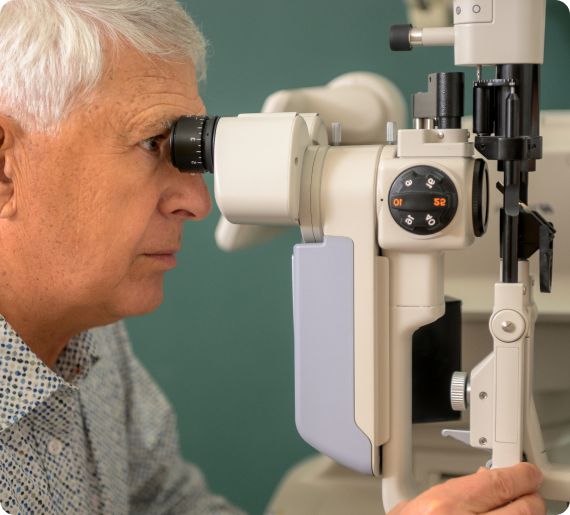
Your initial consultation involves a detailed assessment of your eyelids, orbit, or tear ducts. Our surgeons will discuss surgical options, explain procedures clearly, and customise a treatment plan to your specific requirements.
Day of Surgery
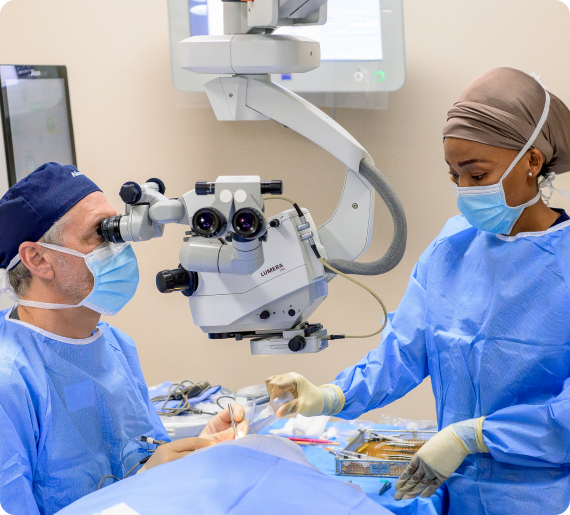
Your oculoplastic procedure will typically be performed under local anaesthesia with sedation, ensuring comfort throughout. Surgery generally lasts one to twohours, depending on complexity, with careful monitoring by our experienced surgical team.
Aftercare and Recovery
After surgery, you’ll receive comprehensive guidance for optimal recovery, including instructions on wound care and medication use. Follow-up appointments are scheduled to closely monitor healing and ensure the best possible functional and cosmetic outcomes.
Yes, oculoplastic surgery is safe when performed by experienced surgeons. Risks are minimal, and your surgeon will discuss any concerns during the consultation.
Recovery time depends on the specific procedure, but most patients experience a full recovery within 2-6 weeks, with some minor swelling and bruising expected.
A patch may be applied for the first 24 hours after surgery to protect the area. Your surgeon will guide you on when and how to remove it.
Why choose us
Highly experienced surgeons
Over 20 years of expertise in cataract, refractive laser, oculoplastic, corneal transplant and retinal surgeries.
State-of-the-art technology
Modern diagnostic & surgical equipment for precise treatment.
Accredited and trusted care
Our centre meets the highest medical standards, backed by industry accreditations and a reputation for excellence in ophthalmic care.
Holistic eye care under one roof
From diagnostics to surgery and post-operative care, we offer a full range of services to make your experience as comfortable as possible.
What our patients say
"Excellent and friendly staff aiming to make their patients feel comfortable and welcome. There was an atmosphere of tranquility and peace throughout my stay. I highly recommend the Sandhurst Eye Clinic and special thanks goes out to Dr. Lamprecht for his excellence."
"Wow, Dr Van Onselen is such an amazing Dr, he took all the efforts to ensure that my Dad gains back his sight. I am very happy, the staff is so friendly. I recommend this institution as the most wonderful one ever!!!"
"From the warm welcome at reception to the professional care throughout my cataract surgery, every step was exceptional. My doctor even called to check on me after the procedure—such a thoughtful touch. I highly recommend Sandhurst Eye Centre to anyone in need of eye care."
"In a word, Excellent! Lovely people, thorough, great explanation of my condition and treatment path, and seamlessly managed reimbursement requirements. A pleasure going there!"
"Thorough examinations, clear explanations, exceptional care. The clinic's efficient operations and welcoming atmosphere further enhance the overall experience. I highly recommend them for anyone seeking top-notch eye care in South Africa."
Concerned about the appearance or function of your eyelids?
Our team is here to help. Book a consultation to find out if oculoplastic surgery is the right treatment for you.